Choosing a Computer Numerical Control (CNC) turning service is not just a sourcing decision. For many UK manufacturers and Original Equipment Manufacturer’s (OEM)’s, it directly impacts component performance, assembly reliability, and the cost of getting things wrong.
For procurement managers, engineering leads, and production teams, CNC machining errors rarely stay contained. A small issue at the turning stage can lead to delays, rework, or failure in the field, particularly when working with large, complex, high-tolerance components.
At Glassworks Hounsell, CNC turning is approached from an engineering-led perspective, focused on function-first, not just dimensions, supported by integrated capability across design, fabrication, machining, and inspection.
Below are the most common CNC turning mistakes, and how professional services avoid them.
What is CNC turning?
CNC turning is a precision machining process where a rotating workpiece is shaped using cutting tools controlled by computer numerical control (CNC).
It is commonly used to produce:
- Cylindrical components
- Shafts, pins, and housings
- High-precision engineering parts
CNC turning is widely used in manufacturing where tight tolerances, repeatability, and performance are critical. Done well, it delivers consistent fit, concentricity, and surface finish. Done poorly, it creates assembly issues and rework that quickly outweigh any unit price saving.
Top CNC turning mistakes (quick overview)
The most common CNC machining errors in turning include:
- Poor material selection
- Incorrect tooling and setup
- Weak CNC turning quality control
- Inefficient programming
- Ignoring real-world functional requirements
Understanding these issues is the first step to improving quality and reducing production risk.
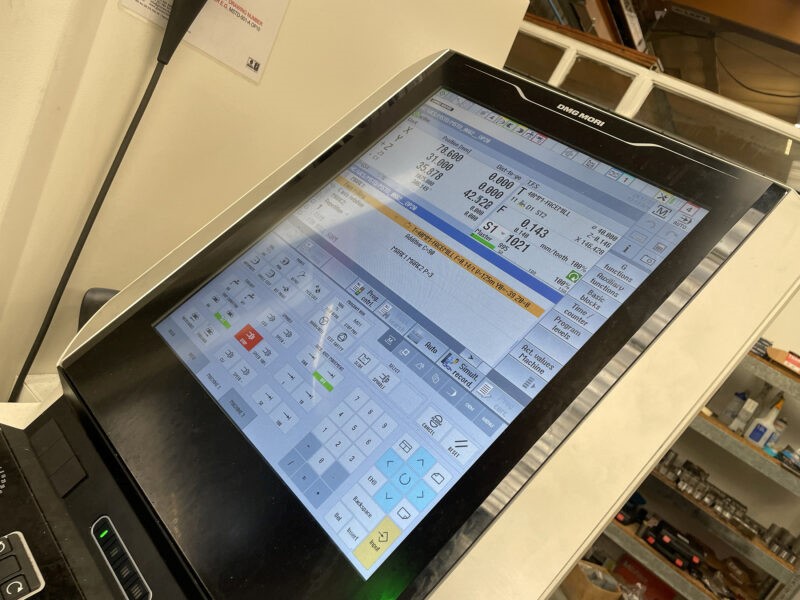
Why CNC turning mistakes create real operational risk
In high-specification environments, even minor machining errors can create wider issues across production and assembly.
Common impacts include:
- Components not fitting during assembly
- Increased wear or premature failure
- Production delays and missed deadlines
- Costly rework and wasted material
For operations and supply chain teams, these risks affect not just cost, but delivery performance and customer confidence.
Poor material selection and machining strategy
Not all materials respond the same way under machining conditions. Materials such as cast iron, Inconel, and duplex stainless steels require specific tooling strategies and process control.
Without the right expertise, this can result in:
- Rapid tool wear
- Surface finish issues
- Inconsistent tolerances
An experienced CNC turning service will understand how to machine challenging materials effectively, particularly when performance and durability are critical.
Inadequate tooling and unstable setups
Precision depends heavily on the quality of tooling and machine setup. Inadequate tooling or poor fixturing introduces variation, especially when machining larger or more complex parts.
This is particularly important for:
- Heavy-duty components
- Long or unsupported geometries
- Tight tolerance requirements
Professional suppliers invest in stable setups and appropriate tooling strategies to ensure repeatability and accuracy.
Weak CNC turning quality control
One of the most common causes of CNC machining errors is insufficient inspection during production.
Without structured CNC turning quality control:
- Errors may go undetected until assembly
- Batch consistency becomes unreliable
- Rework costs increase
At Glassworks Hounsell, quality is supported through ISO 9001:2015 certified systems and in-house inspection using CMM equipment and calibrated measurement tools, ensuring components meet specification before leaving the facility.
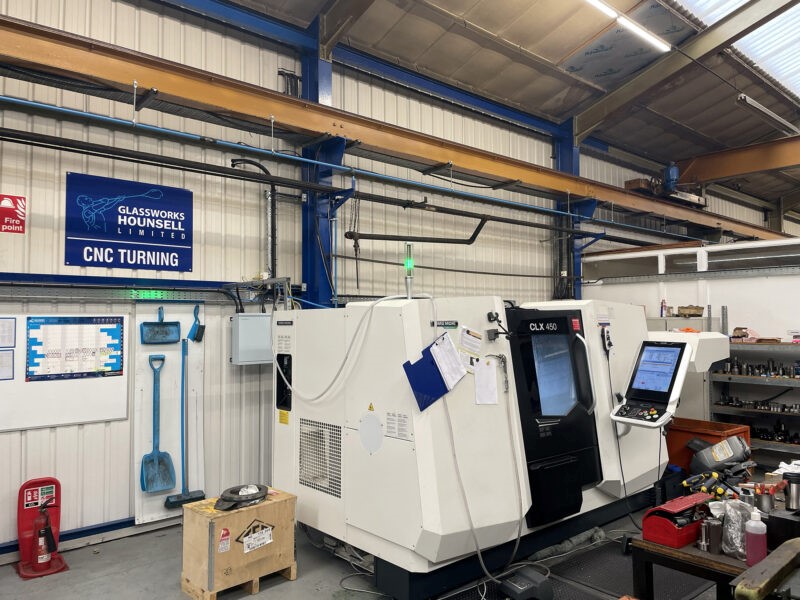
Programming inefficiencies and process gaps
CNC turning is not just about cutting material. It is about how efficiently and accurately the process is controlled.
Poor programming can lead to:
- Longer cycle times
- Reduced tool life
- Inconsistent surface finishes
A professional CNC turning service applies CNC turning best practices to optimise machining strategies and improve overall production efficiency.
Focusing on dimensions instead of function
A common mistake in CNC machining is treating drawings as the only requirement. In reality, components must perform under real operating conditions.
This is where a function-first approach becomes critical.
At Glassworks Hounsell, components are manufactured with consideration for:
- Load conditions
- Fit within assemblies
- Long-term performance
This reduces the risk of failure after installation, where the cost of issues is significantly higher.
How professional CNC turning services avoid these issues
Avoiding CNC machining errors requires more than equipment. It requires engineering capability and integrated processes.
Glassworks Hounsell provides:
- Engineering-led, bespoke solutions tailored to application requirements
- Experience with large, complex, high-tolerance components
- Capability to machine challenging materials
- Integrated capability across design, fabrication, machining, and inspection
- A West Midlands / Birmingham precision engineering partner with UK-wide support
- Established credibility, serving industry since 1887
Precision engineering capabilities
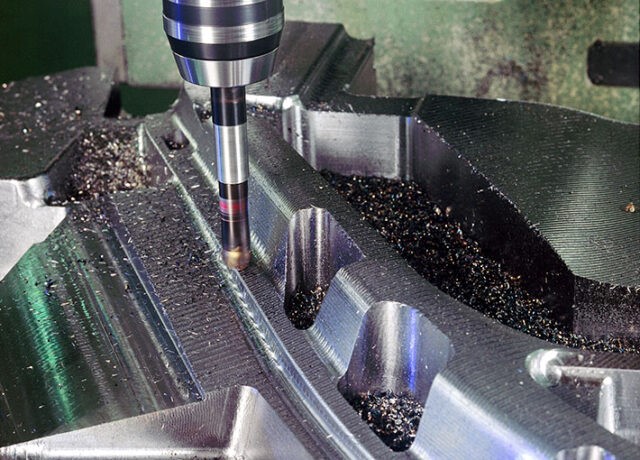
CNC turning vs CNC milling: choosing the right process
Understanding when to use CNC turning versus CNC milling helps avoid unnecessary complexity or inefficiency.
- CNC turning is ideal for cylindrical or rotational components
- CNC milling is better suited to complex geometries and multi-axis features
Choosing the right CNC turning supplier
Selecting the right supplier is critical to avoiding CNC machining errors and ensuring consistent results.
Key factors to consider:
- Engineering-led approach, not commodity supply
- Experience with complex, high-specification components
- Proven quality systems and inspection capability
- Integrated manufacturing capability under one roof
- Strong UK-based communication and support
If your component is heavy, high-tolerance, or made from challenging alloys, supplier capability matters more than headline price. For many manufacturers, working with a Midlands-based partner improves both responsiveness and supply chain resilience.
Request a quote
If you’re looking to improve consistency, reduce risk, and ensure your components perform as intended, the next step is to speak with an experienced engineering team. Request a Quote.
Frequently asked questions about CNC turning services
What is a CNC turning service?
A CNC turning service uses computer-controlled lathes to produce precise cylindrical components for engineering applications.
What are common CNC machining errors?
Common errors include poor tooling, incorrect material handling, weak quality control, and inefficient programming.
How can CNC turning quality be improved?
Quality can be improved through proper tooling, process control, and structured inspection such as CMM measurement.
Why is quality control important in CNC turning?
It ensures components meet tolerance requirements and perform reliably in real-world applications.
What materials are difficult to machine?
Materials such as Inconel and duplex stainless steels require specialist machining expertise and process control.
What is the difference between CNC turning and CNC milling?
CNC turning is used for rotational parts, while CNC milling is suited to complex shapes and surfaces.
How do I choose the right CNC turning supplier?
Look for engineering expertise, quality systems, and experience with complex components rather than focusing only on cost.