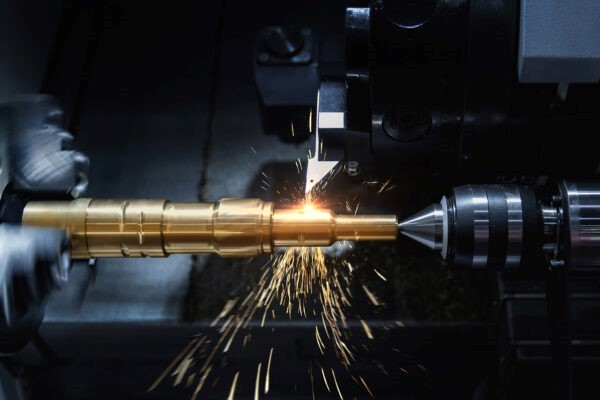
Choosing the right metal fabrication company can have a significant impact on the success of an industrial project.
For large, complex or high-tolerance fabrications, selecting the wrong supplier can lead to dimensional problems, additional machining, rework and delays elsewhere in the manufacturing process. Price matters, but it should not be the only consideration.
Materials, dimensions, welding processes, machining requirements, inspection, handling and the final application can all influence how a component needs to be manufactured.
At GWH, we provide metal fabrication and assembly services alongside precision machining and inspection, supporting demanding industrial projects from drawing review through to the finished component.
What Should You Look for in a Metal Fabrication Company?
A reliable fabrication supplier should have the equipment, engineering expertise and quality processes required for your specific project.
Before selecting a supplier, consider the size and weight of the fabrication, materials, tolerances, welding processes, post-fabrication machining, inspection and any assembly or finishing requirements.
Assessing these factors at the outset can help identify potential manufacturing issues before they become costly problems on the shop floor.
Check Their Capability Against Your Project
Not all industrial metal fabricators are equipped for the same type of work.
A company specialising in light sheet metal, for example, may not have the facilities or experience needed for substantial machinery structures, heavy-duty components or fabrications requiring precision machining after welding.
Useful information to provide at enquiry stage includes:
- Engineering drawings
- Overall dimensions
- Material specifications
- Required tolerances
- Expected quantities
- Welding requirements
- Machining requirements
- Inspection requirements
- Finishing or assembly requirements
A good supplier should understand what the component needs to do, rather than simply manufacture what appears on the drawing.
Consider Fabrication and Welding Expertise
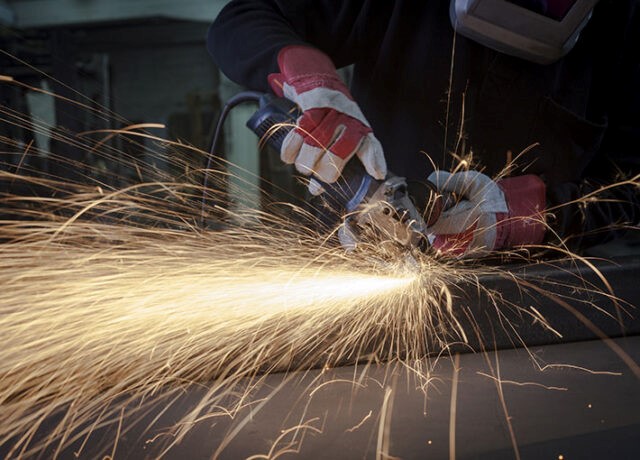
Welding is an important part of many industrial fabrications, but the correct process depends on the material, design and intended application.
At GWH, our fabrication and assembly services include MIG, TIG and ARC welding, allowing welding to be considered alongside machining, handling, assembly and inspection.
We work with a broad range of engineering materials, from mild and stainless steels to cast iron, aluminium alloys and more demanding materials including Inconel and Super Duplex.
When comparing professional metal fabrication solutions, buyers should therefore consider the complete manufacturing requirement, not simply whether a supplier can weld the component.
Assess Capacity for Large or Complex Fabrications
Physical capacity can quickly become a limiting factor on larger industrial projects.
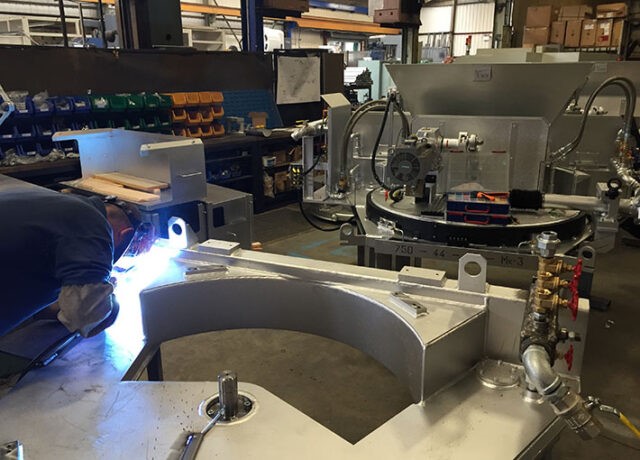
We at GWH produce fabricated structures up to 13 metres long and 7.5 tonnes in weight, enabling us to support substantial machinery structures, heavy-duty components and large fabricated assemblies.
However, accommodating a component physically is only part of the requirement. Suitable lifting, handling, machining and inspection facilities are also important if it needs to move safely and accurately through several manufacturing stages.
These practical considerations should be discussed before production begins.
Look Closely at Quality Control and Inspection
Inspection should form part of the manufacturing process rather than simply being a final check before delivery.
Distortion, dimensional errors and alignment issues can become more difficult and expensive to correct after machining or assembly has taken place.
GWH is ISO 9001 certified and has in-house inspection facilities including CMM measurement and precision measuring equipment.
Monitoring critical dimensions throughout manufacture is particularly valuable where fabricated components also require tight-tolerance machined features.
Consider Whether Fabrication and Machining Can Be Coordinated
Many industrial fabrications require machined faces, holes, bores, mounting points or other precision features after welding.
Using separate suppliers for fabrication and machining can introduce additional transport, handovers and communication. For complex projects, coordinating these operations through one engineering supplier can make manufacture considerably more straightforward.
Alongside fabrication, GWH provides precision engineering services, including CNC turning and CNC milling.
This allows fabrication, machining and inspection to be considered as part of one manufacturing process, reducing unnecessary handovers and helping ensure critical interfaces are planned from the outset.
Evaluate Technical Communication
A trusted metal fabrication partner should be prepared to ask questions.
For bespoke or technically demanding components, the drawing does not always tell the whole story. Material choice, tolerances, mating components, welding sequence and subsequent manufacturing stages can all influence how the job should be approached.
Clear technical communication at the enquiry stage can identify potential issues before manufacturing begins and give both parties confidence that the wider application has been understood.
Look for Evidence Behind Fabrication Claims
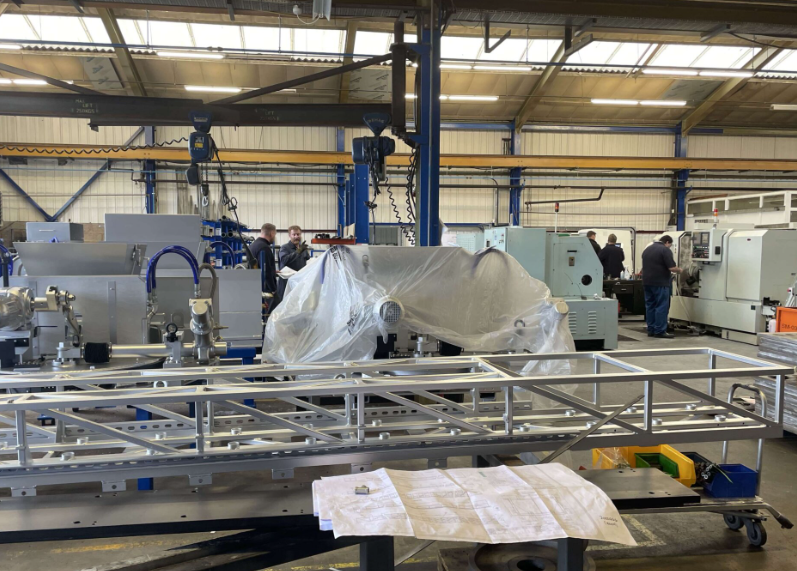
Words such as quality, reliability and expertise are easy to use. Industrial buyers should look for evidence behind them.
Useful indicators include:
- Relevant quality certifications
- Clearly defined manufacturing capacity
- Appropriate welding processes
- Inspection facilities
- Machining equipment
- Experience with relevant materials
- Examples of technically demanding work
A reliable supplier should be able to explain how a project will be manufactured and highlight practical considerations before work begins.
Choosing the Right Fabrication Partner
Choosing a metal fabrication company ultimately comes down to finding the right fit for the project.
The right supplier should understand the technical requirements, have the facilities to manufacture the component correctly and demonstrate how fabrication, welding, machining and inspection will be managed.
At GWH, we combine substantial fabrication capacity with precision engineering, assembly and inspection for large, complex and technically demanding industrial projects.
If you have a fabrication project to discuss, contact GWH with your drawings, material specifications, quantities and tolerance requirements. Our engineering team can review the complete requirements and discuss the most appropriate manufacturing route.
Frequently Asked Questions
1. What should I look for when choosing a metal fabrication company?
Consider fabrication capacity, welding processes, material experience, machining facilities, inspection procedures and quality systems. The supplier should be equipped for the size and complexity of your specific project rather than being selected on price alone.
2. What information should I give industrial metal fabricators?
Provide engineering drawings, dimensions, material specifications, tolerances, quantities and any welding, machining, inspection, assembly or finishing requirements.
3. Why is inspection important in metal fabrication?
Inspection helps identify dimensional, alignment and tolerance issues during manufacturing, when corrective action may be easier and less costly than after final assembly or installation.
4. Can fabricated components require machining after welding?
Yes. Fabricated structures frequently require machined faces, holes, bores, mounting points or other precision features after welding. Coordinating fabrication and machining can help simplify the manufacturing process.
5. How can I identify a trusted metal fabrication partner?
Look for evidence such as quality certification, defined manufacturing capacity, inspection facilities, relevant welding processes and experience with technically demanding work. Good technical communication at the enquiry stage is also important.
6. Can one supplier handle fabrication, machining and assembly?
Yes, provided the supplier has the appropriate facilities and engineering expertise. GWH combines fabrication, welding, machining, assembly, and inspection, enabling several manufacturing disciplines to be coordinated within a single project.