Choosing metal fabrication services is not just about finding someone who can cut, bend and weld metal. For procurement managers, engineering leads and production teams, the real question is whether the finished component will perform reliably in service once it is installed.
That is where an engineering-led approach matters. Fabrication should be function-first, not just dimensions. The process needs to account for material behaviour, tolerances, assembly interfaces, inspection requirements, handling and the working environment.
Glassworks Hounsell provides metal and steel fabrication services from Halesowen in the West Midlands, supported by wider precision engineering capability. For OEMs and manufacturers, that matters when projects involve large, complex, high-tolerance components and heavy-duty fabrication requirements.
What do metal fabrication services include?
Metal fabrication services convert raw metal into a finished structure, assembly or engineered component.
Typical stages include:
• Cutting and profiling
• Bending or forming
• Welding
• Assembly and fit-up
• Machining, where precision features and tolerances are required
• Inspection and measurement
• Finishing and preparation for shipment
Glassworks Hounsell’s fabrication capability includes cutting, profiling, welding and assembling, supported by in-house welding processes including MIG, TIG and ARC. For many projects, having fabrication and precision engineering capability aligned reduces handover risk and improves control of tolerances.
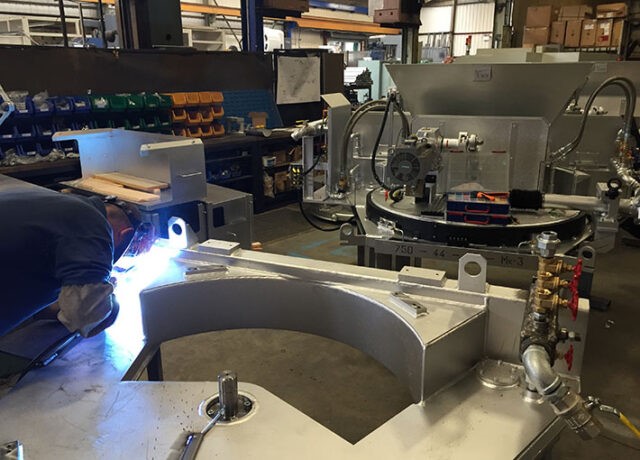
Why process choice matters in industrial metal fabrication
In industrial metal fabrication, process choice affects more than appearance. It can influence strength, distortion, fit, surface finish, inspection outcomes and downstream machining.
For simple work, the risks may be limited. For larger or more complex components, poor planning can create problems that are expensive to correct later.
Typical issues include:
• Distortion after welding
• Poor fit-up during assembly
• Incorrect material choice for the application
• Rework before machining can begin
• Difficulty holding tolerances after fabrication
• Inspection failures discovered late in the project
Core metal fabrication methods
Cutting and profiling
Cutting is often the first stage of fabrication. It prepares the raw material and helps define the accuracy of the whole build.
Common metal fabrication methods for cutting and profiling include band sawing, shearing and CNC cutting. Profiling establishes the outline of a shape before the part moves into forming, welding or assembly.
The best cutting method depends on:
• Material type and thickness
• Component size and handling requirements
• Tolerance and edge condition requirements
• Downstream welding and machining steps
• End-use loading and fatigue considerations
For engineering buyers, the key is not simply how metal is cut. It is whether the chosen method supports the final function of the component.
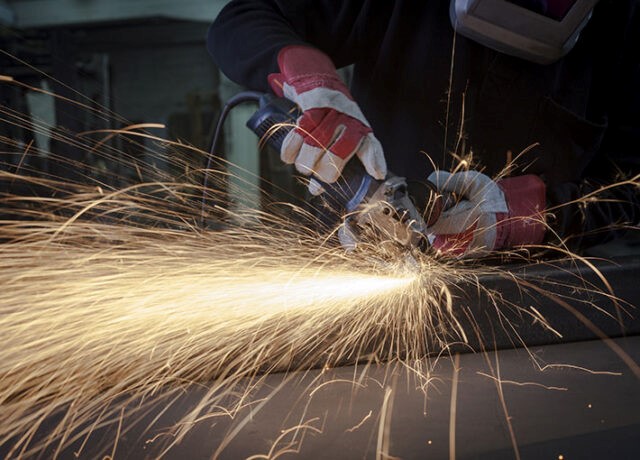
Bending, forming and assembly
Once material has been cut or profiled, it may need to be bent, formed or assembled. This stage is where sequencing and practical engineering judgement start to drive outcomes.
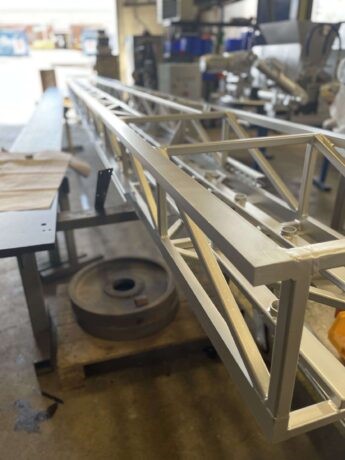
Assembly can involve welding and mechanical joining, depending on the job. For larger fabrications, access and build sequence affect distortion control and final fit.
Glassworks Hounsell supports heavy-duty fabrication work and dedicated assembly capability for projects where size, handling and sequencing make the difference between a smooth build and a rework cycle.
Metal cutting and welding
Metal cutting and welding are central to many fabrication projects. Welding joins prepared parts using heat, then allows the joint to cool and fuse into a structural connection.
Glassworks Hounsell supports MIG, TIG and ARC welding in-house. Welding requirements can be aligned to the job, including inspection and quality controls, where specified.
For procurement and engineering teams, welding quality is not only about the weld itself. It also depends on preparation, fit-up, sequencing, distortion management and whether inspection is planned into the job rather than left to the end.
Quality, inspection and tolerances in metal fabrication
Fabrication quality is not proven by confidence alone. It needs quality systems, inspection and accountability.
Glassworks Hounsell is ISO 9001 certified and supports high-tolerance work with in-house inspection capability, including CMM inspection. This supports traceability, quality data and control during and after manufacture.
For engineering teams, this reduces the risk of issues being discovered only at assembly, installation or downstream machining, when fixes become expensive, and schedules get compressed.
For complex metal fabrication services, inspection should not be treated as a final check only. It should be part of the process from the start, especially where fabricated parts need further machining or must fit into a wider assembly.
Materials and heavy-duty fabrication capability
Material choice affects every stage of fabrication, including cutting, welding, machining and inspection.
Glassworks Hounsell has experience with challenging materials including cast iron, Inconel, duplex and super duplex, titanium, nickel alloys, copper, bronze and steel.
The business supports work ranging from precision engineering components to large fabrications, with heavy-duty fabrication capability and CNC machining support. That integrated approach helps keep fabrication, machining and inspection aligned, rather than treated as disconnected stages.
For buyers managing complex parts, this matters. A supplier that can understand the material, fabrication sequence, machining requirements and inspection route under one roof can reduce communication gaps and supplier handover risk.
How to choose a metal fabrication services partner
When comparing metal fabrication services, avoid choosing based on price alone. For complex or function-critical parts, the cost of getting it wrong can far exceed the initial fabrication price.
Use this supplier checklist:
• Can they support fabrication, machining and inspection where required?
• Do they understand the function of the part, not just the drawing?
• Can they handle large or heavy-duty fabrications safely and reliably?
• Do they have ISO 9001 quality systems?
• Can they inspect high-tolerance components in-house?
• Do they have experience with the required material?
• Can they reduce handover risk by keeping key processes under one roof?
• Will they raise practical engineering questions before work begins?
A strong supplier should be able to explain the process, identify risks early and ask practical questions before committing to manufacture.
Why choose a West Midlands and Birmingham precision engineering partner?
For UK manufacturers, location still matters. A Midlands-based supplier can make technical discussions, drawing reviews, inspections and project changes easier to manage.
Glassworks Hounsell is based in Halesowen in the West Midlands, near Birmingham, and has been associated with precision British engineering since 1887. For buyers who need engineering-led, bespoke solutions rather than commodity fabrication, that combination of heritage, capability and quality control is a strong trust signal.
With design support, fabrication, machining and inspection aligned, customers can manage complex components with fewer handovers and lower avoidable risk.
Need support with a complex fabrication project?
If you need metal fabrication services for a large, complex or high-tolerance component, Glassworks Hounsell can help review your requirements.
Share your drawing or model, material, quantity and any key functional requirements such as tolerances, surface finish, inspection needs or assembly constraints.
FAQs
What are metal fabrication services?
Metal fabrication services involve cutting, profiling, bending, welding, assembling and finishing metal components or structures.
What are the main metal fabrication methods?
Common metal fabrication methods include cutting, profiling, bending, forming, welding, assembly, machining and inspection.
What is industrial metal fabrication?
Industrial metal fabrication is fabrication work for manufacturing and engineering environments where strength, fit, tolerance and reliability matter.
Why is metal cutting and welding important?
Metal cutting prepares material for accurate fabrication, while welding joins components to create the required structure or assembly.
What is the difference between fabrication and machining?
Fabrication forms and joins metal parts, while machining removes material to achieve precise features, tolerances and finishes.
Can metal fabrication services support high-tolerance components?
Yes, when supported by suitable machining, inspection and quality control. Glassworks Hounsell supports high-tolerance inspection, including CMM capability.
What should I look for in a metal fabrication supplier?
Look for engineering input, material experience, appropriate fabrication capability, quality systems, inspection capability and clear communication.
How do I request a quote for metal fabrication services?
Provide your drawing or model, material, quantity, dimensions and any functional or inspection requirements through the Get A Quote page.
Are metal fabrication services suitable for complex engineering components?
Yes, when the supplier has the right fabrication, machining, material and inspection capability to support the component’s function and tolerance requirements.